What is your trading experience?
Learn to read price action and volume, as well as technical indicators and patterns to better understand market behavior.
tradeLearn how position sizing and strategic stop-loss planning can help manage trading risk.
brigadeDevelop the discipline to wait for suitable setups and recognize when it may be better to stay out of the market.
masteryBootcamp brings together three core areas of trading education: price action analysis, risk management, and intermarket context. Together, these topics provide a structured framework for learning about financial markets and developing a more informed approach to market analysis.
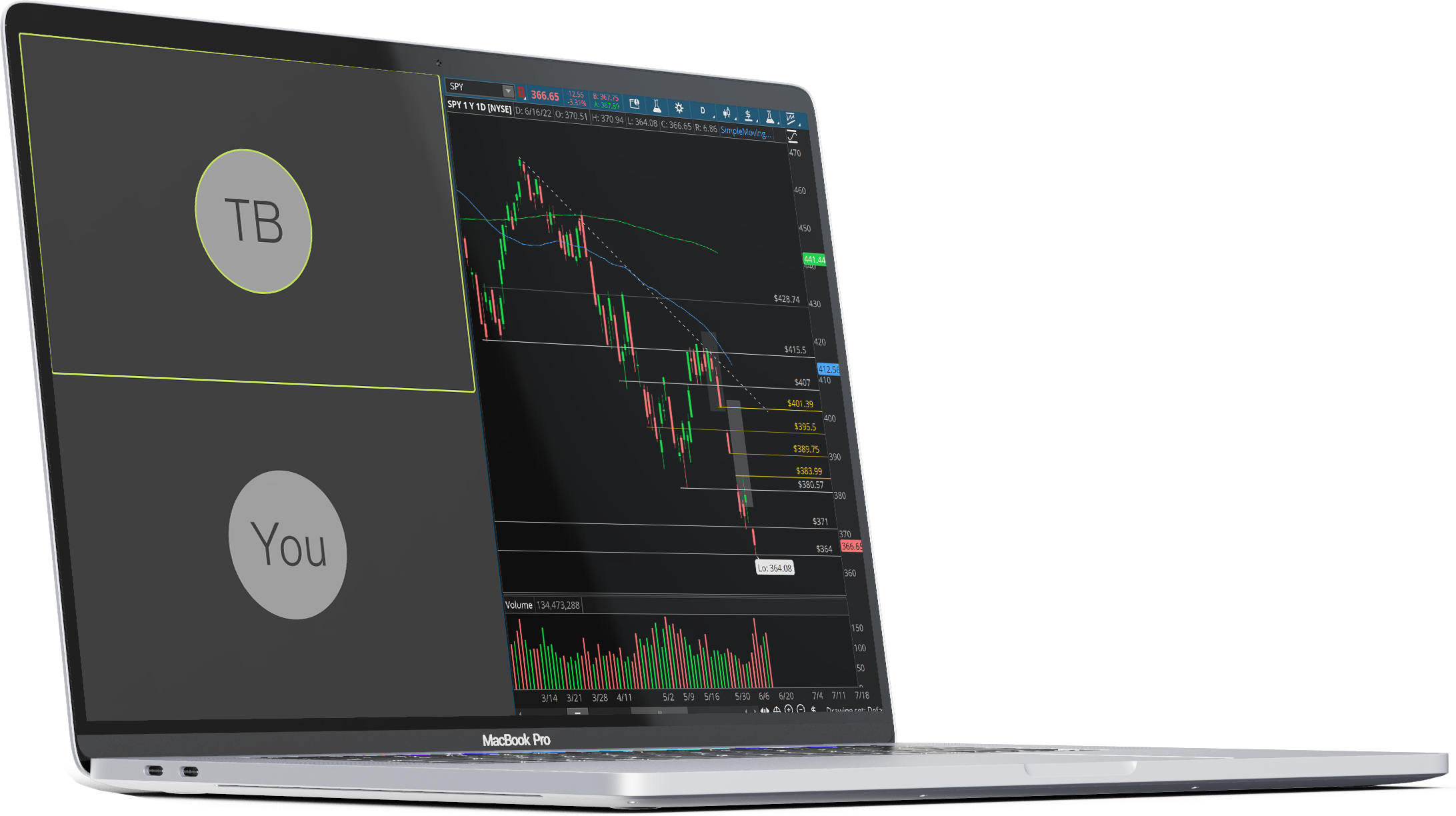
Price action analysis is one approach traders use to study market behavior. Candlesticks and price movements can provide insight into how market participants have responded to changing market conditions across different time frames.
By studying price action, traders can learn to identify patterns, key levels, and changes in market structure. The goal is to better understand market behavior and develop a structured approach to analyzing different market scenarios.
Risk management is an important part of learning about trading. Understanding the relationship between potential risk and potential reward can help traders evaluate different market scenarios and consider how they align with their individual risk tolerance.
Rather than focusing on individual outcomes, this approach emphasizes position sizing, potential losses, and the trade-offs involved in different market situations.
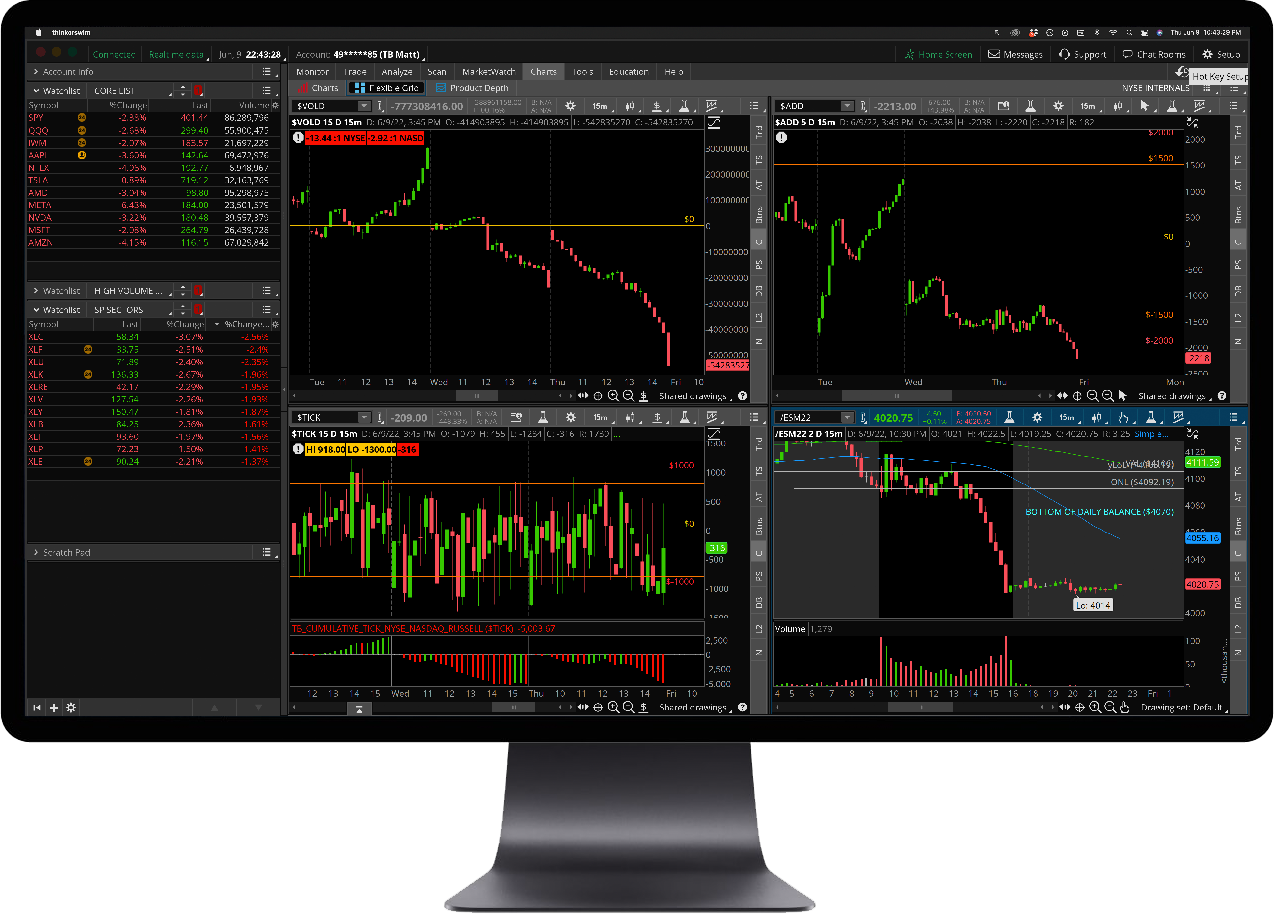
Financial markets are interconnected, and different markets can respond to changing economic and market conditions in different ways.
Intermarket analysis provides additional context for studying these relationships. By examining different asset classes and market indicators, traders can develop a broader perspective when researching market conditions.